Support My Dream of Building Safety
& A Model of Climate Resiliance
A Home Lost
Again & Again:
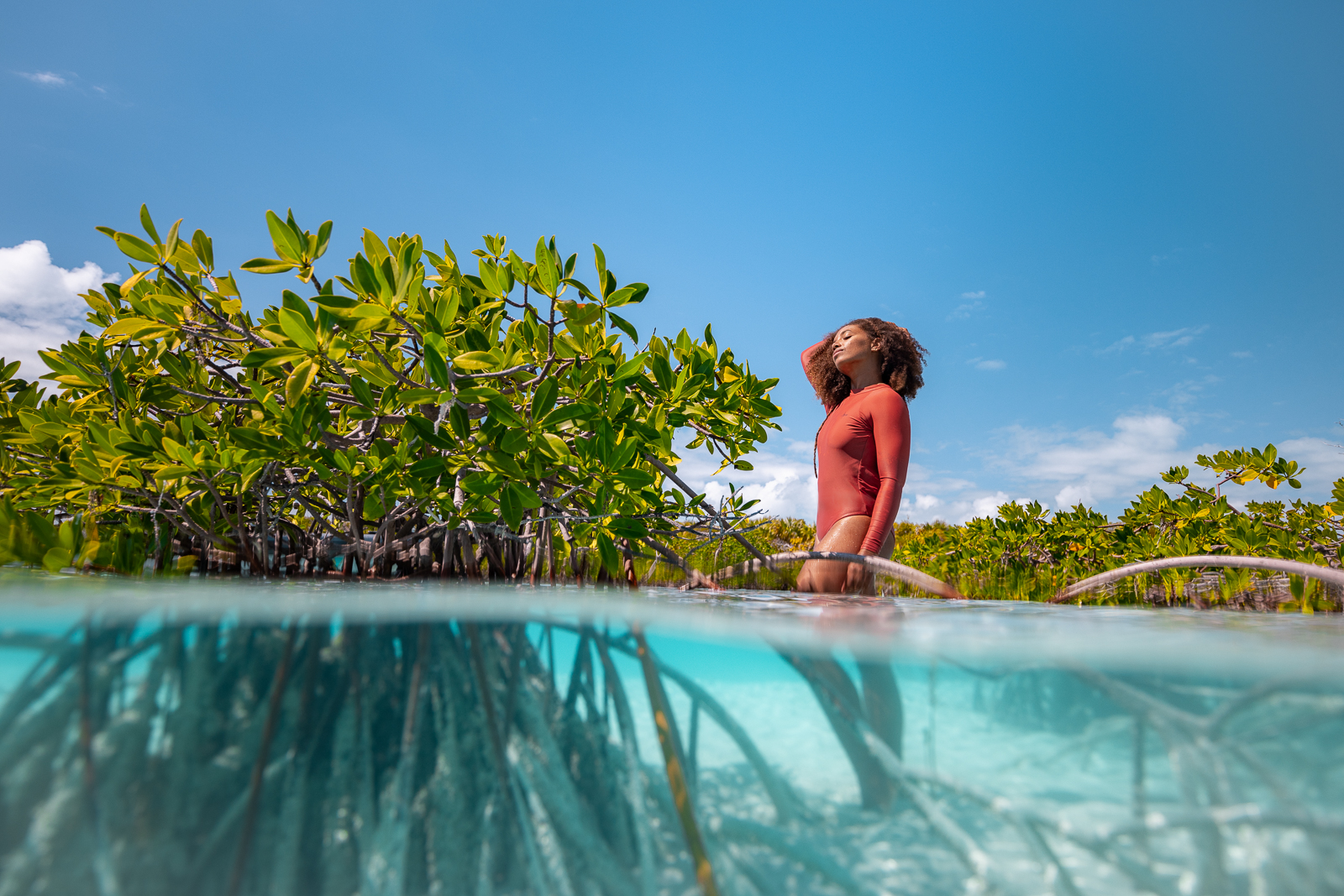
I grew up in Queens Cove, a small community nestled along Hawksbill Creek in Freeport, Grand Bahama. Mangroves were the backdrop to my childhood. They were part of the landscape I knew before I understood how important they were.
Mangroves are nurseries for so much marine life. They protect coastlines, hold communities together, and help absorb the impacts of storms. In many ways, they were the beginning of my story too.
And now, I am asking for help protecting the home that helped make me who I am.
Our community has experienced serious flooding for decades.
Development in the Hawksbill Creek, by both the Grand Bahama Harbour Company and Bahama Rock, has blocked the Hawksbill Creek and dramatically altered the natural flow of water through the island. What was once a system that allowed water to move through the island can no longer function in the same way. When strong winds and storm surge push water into the creek from the north, the water has nowhere to go.
For my family, this has meant living with the knowledge that every major storm could take our home from us.
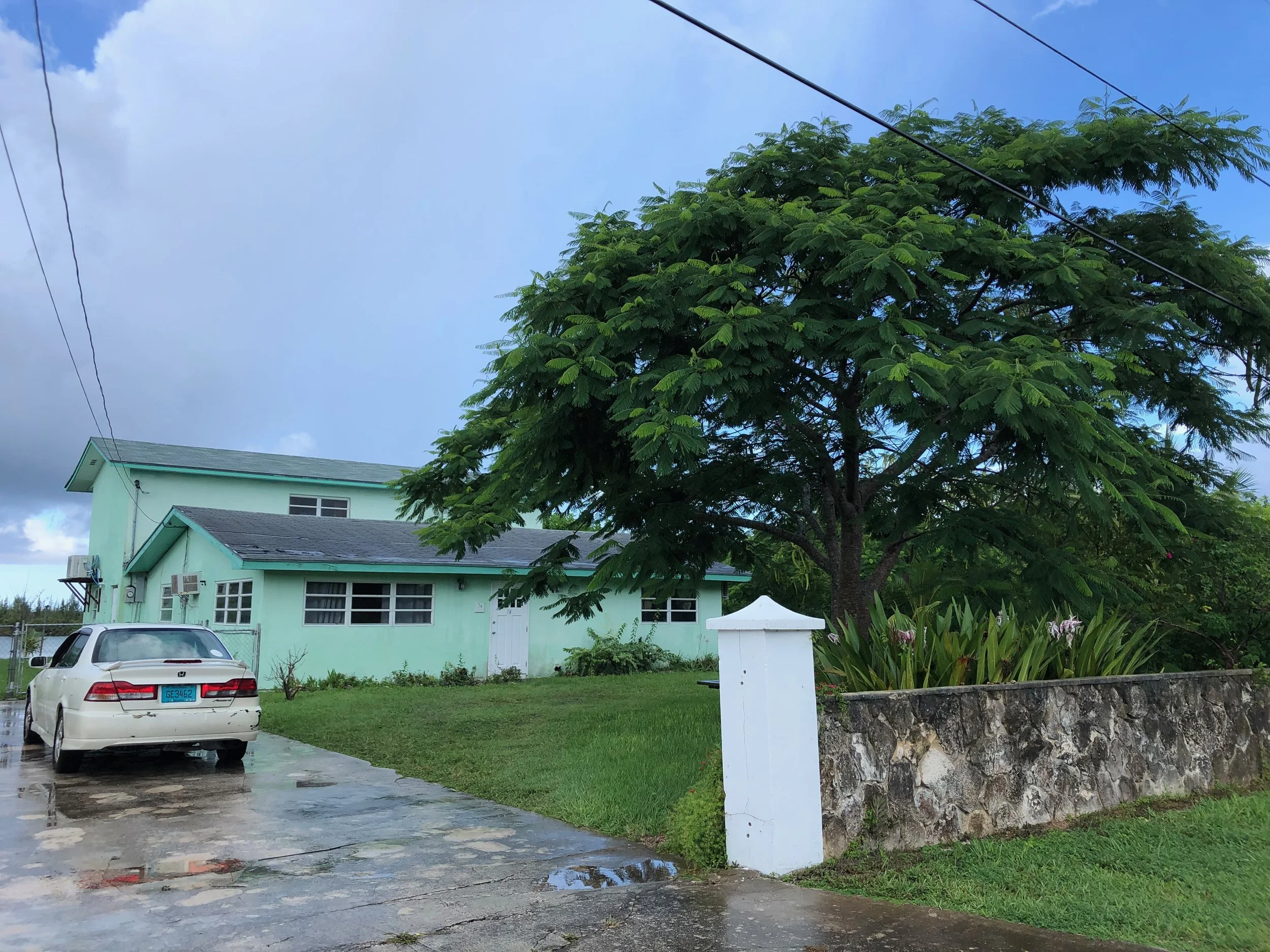
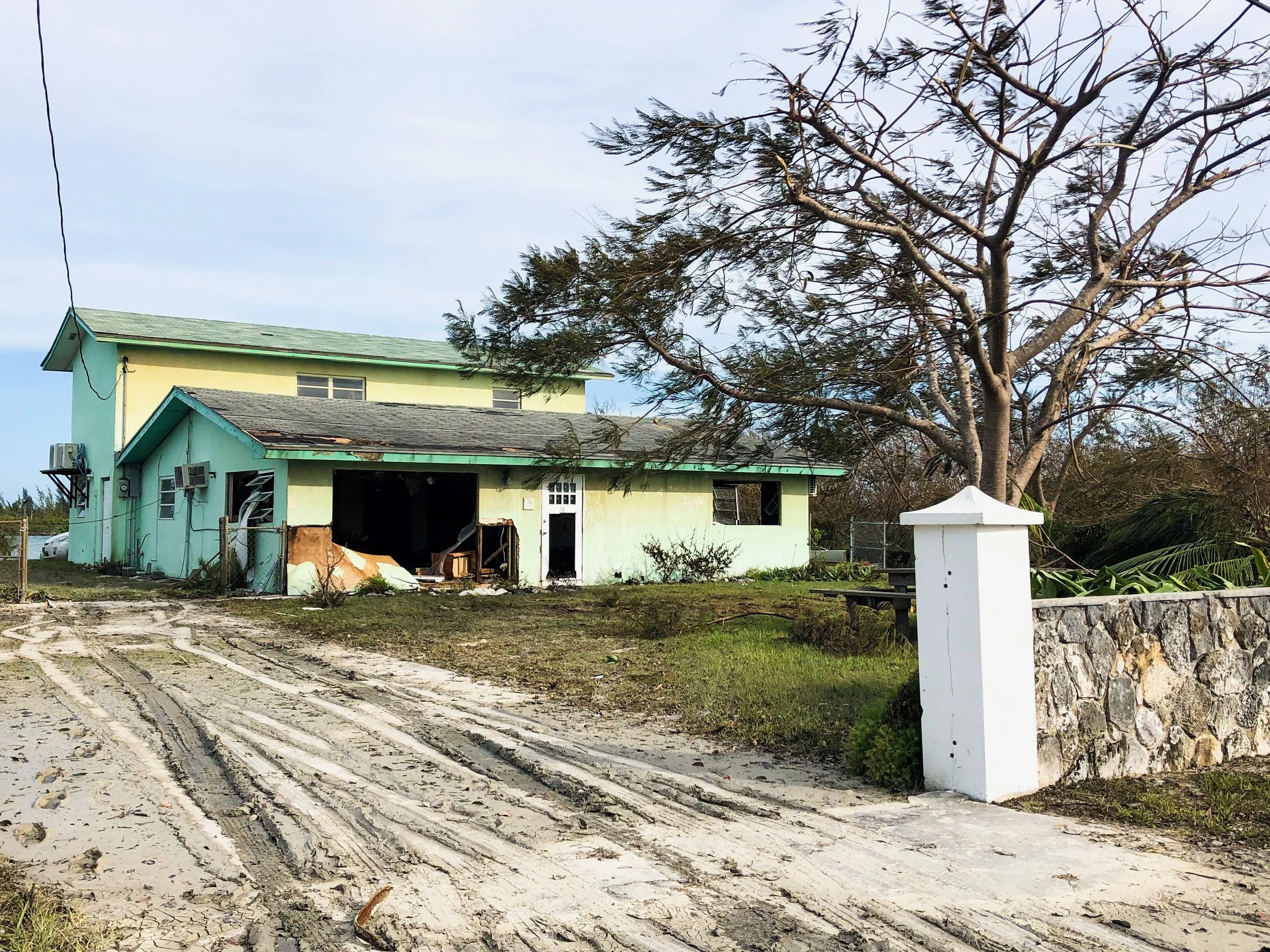
Aug 31st 2019
Sept 3rd, 2019
It wasn't the last.
Over the years, our home was flooded by Hurricanes Frances, Jeanne, Sandy and Matthew.
Then came Hurricane Dorian.
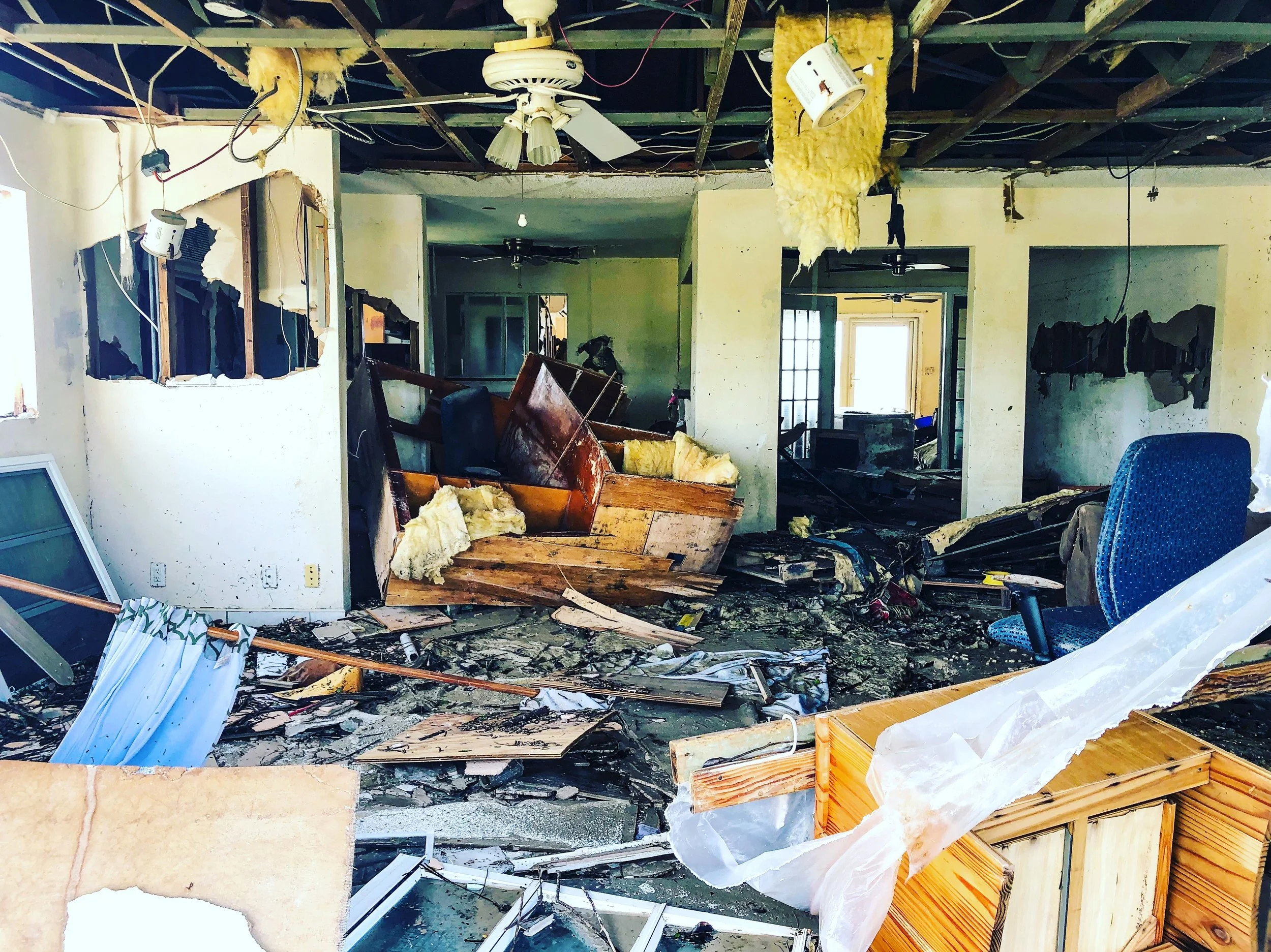
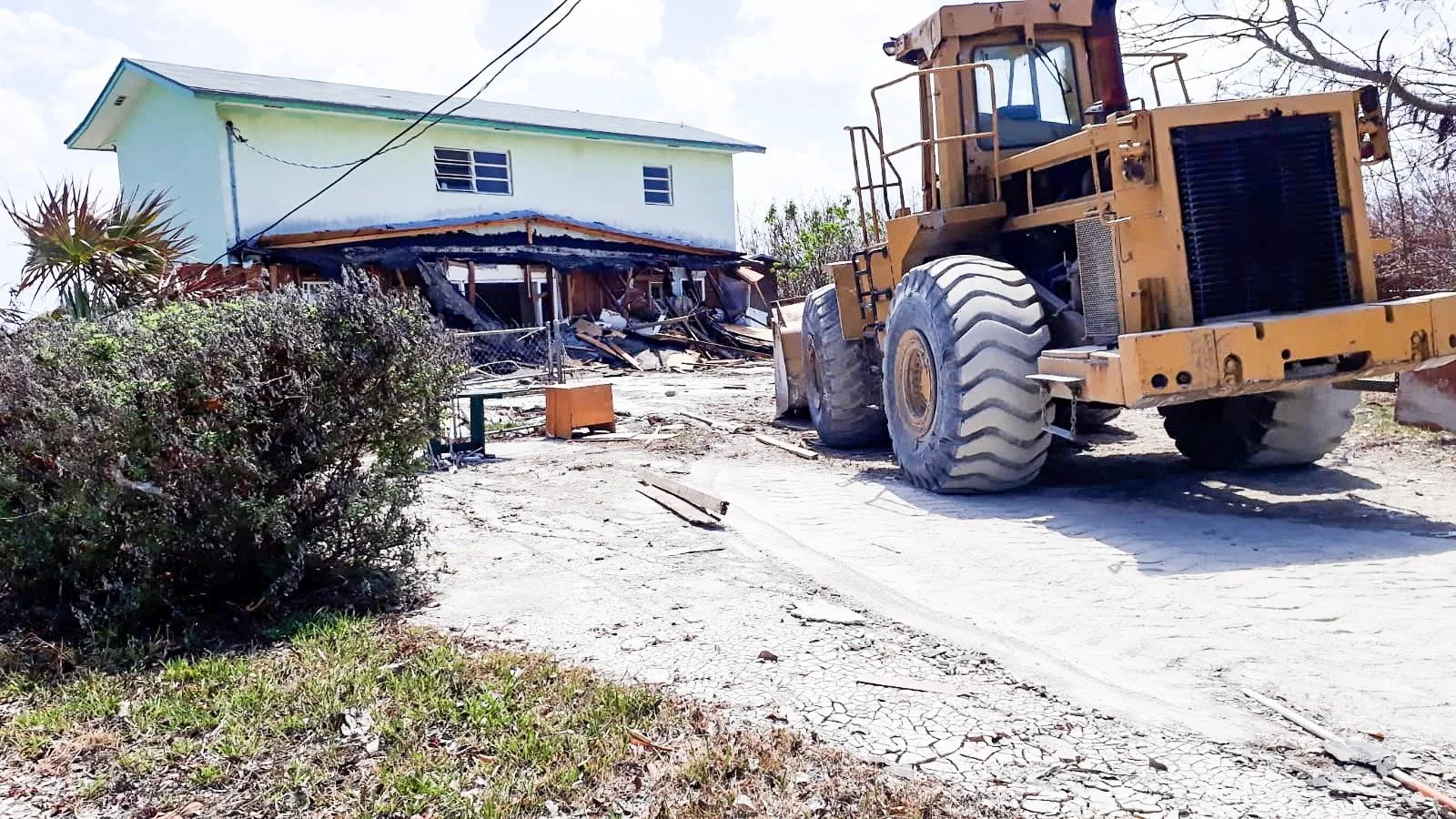
On September 1 and 2, 2019, Dorian devastated Grand Bahama, bringing catastrophic winds and flooding. Our original home, a wooden and stucco structure built in the 1970s, was finally destroyed beyond repair.
After each hurricane we experienced, we had done our best to prepare it for the next hurricane so we were better equipped to bounce back after. Literally 'rinse and repeat'. But there are limits to what an older home can withstand when the environment around it is changing, and storms are becoming increasingly destructive.
Almost everything was gone. The home looked like the inside of a washing machine. Nothing was where we had left it and was soaked in mud. We even found our neighbours' belongings in our house.
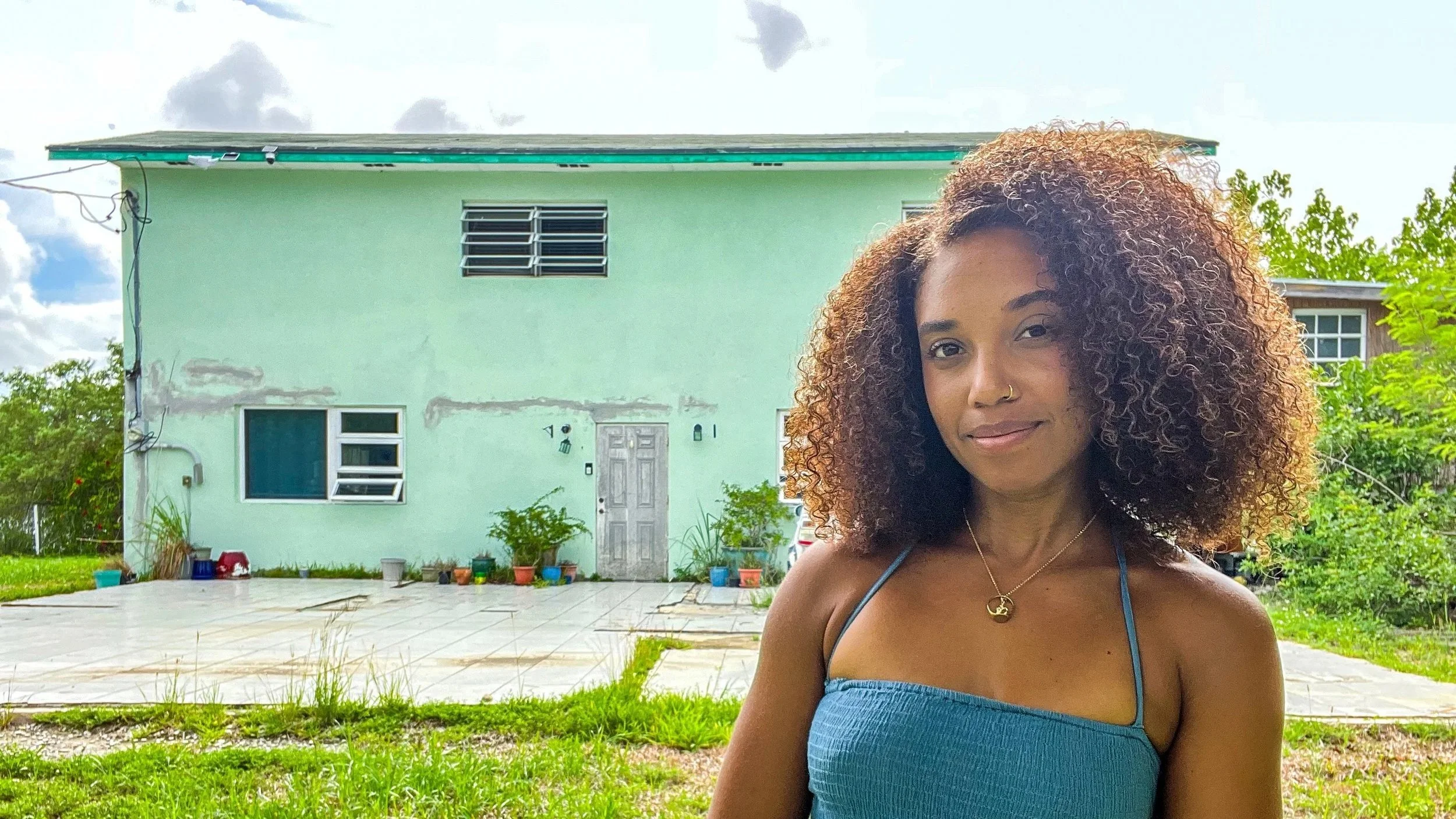
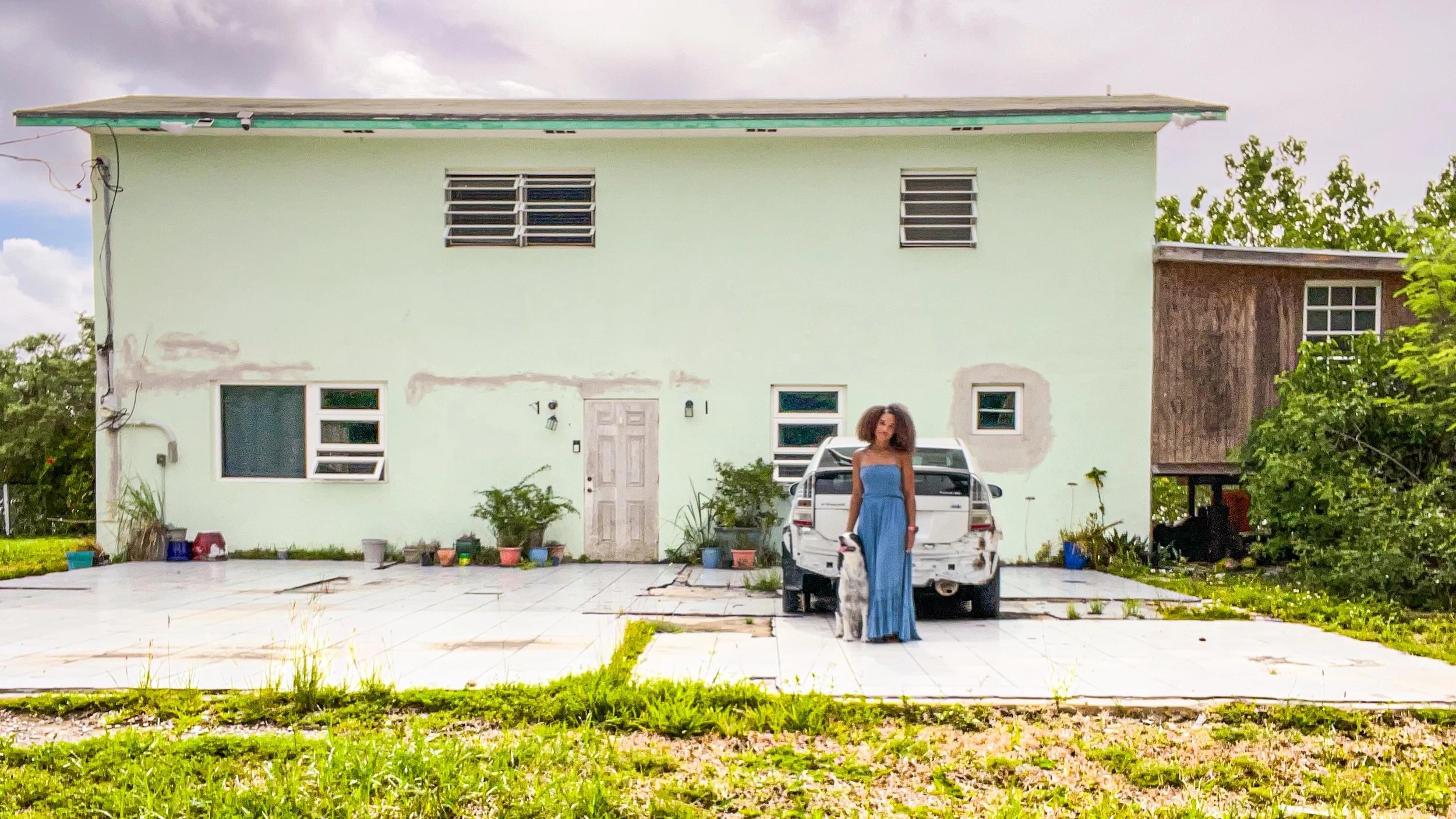
The only part of the house that remained potentially habitable was a split-level concrete extension that my father had built in 2002. It was just a living space downstairs and a bedroom upstairs.
I was only nine years old when Hurricane Floyd hit Grand Bahama in 1999, and that was the first time I lost my home.
Rebuilding For My Father:
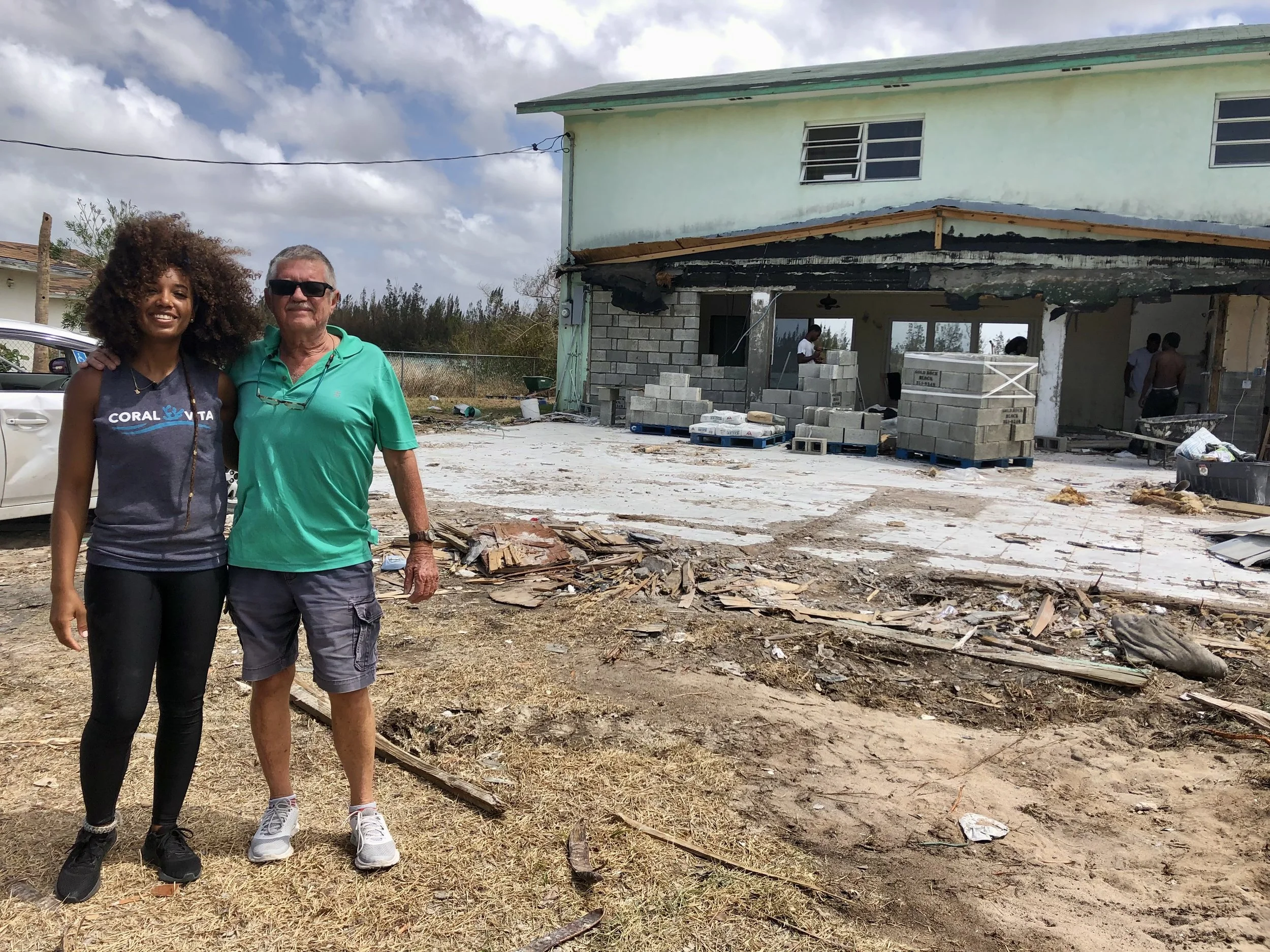
My father was mobility-impaired, and I desperately wanted to get him home, but in a home that was comfortable for him to get around.
Through GoFundMe and the incredible generosity of friends, family, and strangers, I raised $10,000 to rebuild the basics of a functioning home around what was left.
I managed to get myself to Miami on a friend's boat, rented a U-Haul truck, and, with the help of my mother and a friend, purchased the things we needed to make the house livable again: A stove, refrigerator, microwave, electrical equipment, sheets, curtains, and basic household supplies.
I even brought back pallets of water, canned food, baby formula, and diapers to help the children's home and my neighbours who were also struggling to recover.
My father was finally able to move home.
And I will forever be grateful that we were able to give him that.
On May 5, 2021, less than two years after Dorian, my father passed away suddenly.
I was devastated.
But there is one thing I am deeply grateful for: he got to spend his final years in the home he loved.
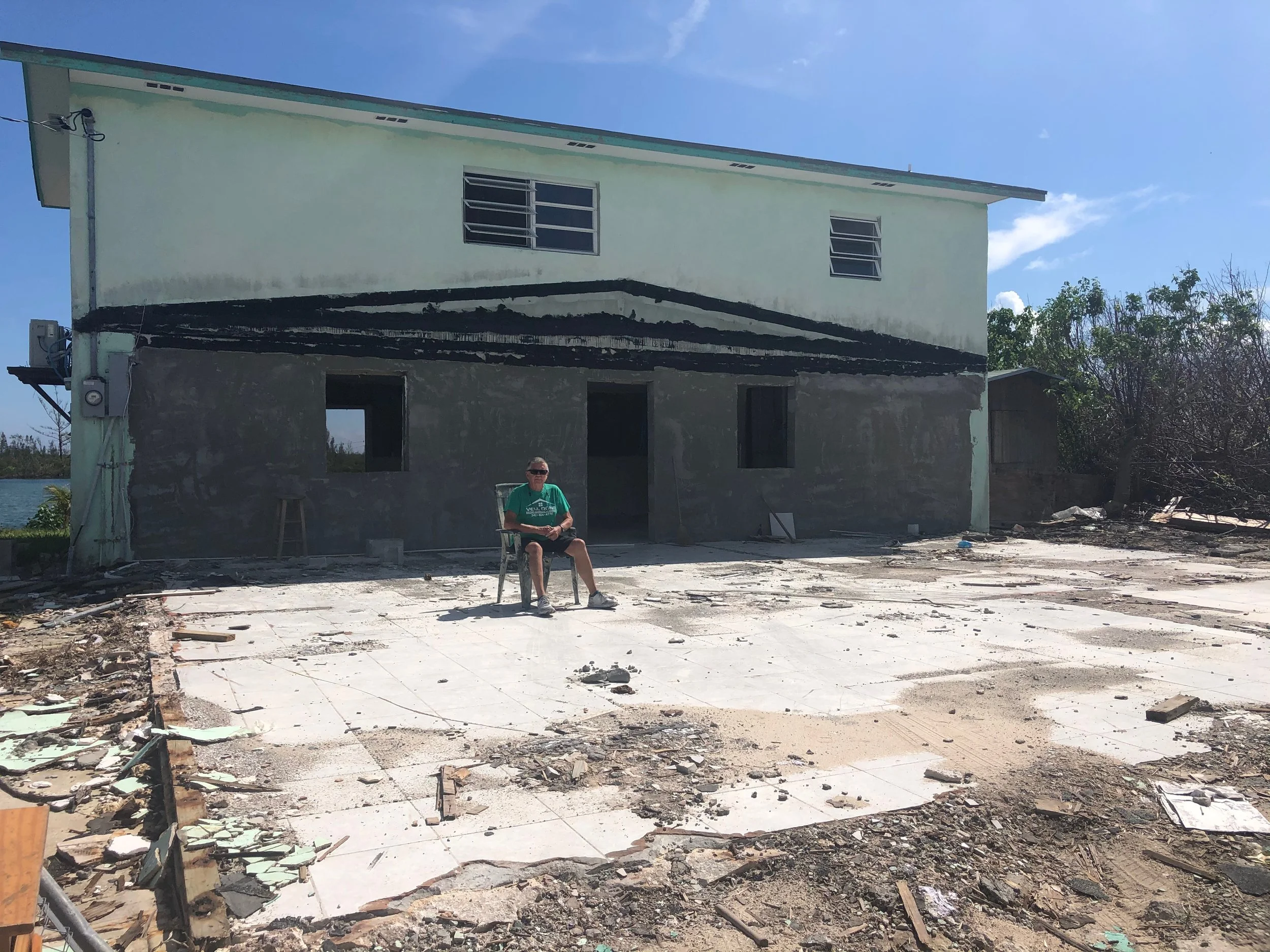
Alan Trevor Vellacott
Jan 3rd, 1950 - May 5th 2021
Why This Home Means So Much To Me:
After my father died, I moved back into the house.
I have done what I can to make it comfortable. Local friends have helped me repair some of the major damage, and I have continued to maintain it with whatever resources I have available.
But the truth is that the house is still not safe.
It remains extremely vulnerable to flooding, and every hurricane season brings the same fear: What happens if another major storm comes?
I could lose my home again. And this time, I don't have another home to fall back on. This house is much more than a building to me.
It is where I grew up.
It is where I learned to love the ocean.
It is where I watched mangroves, tides, fish, and storms shape the world around me.
And I believe that living in this environment helped shape the person I became and the career I chose.
I have spent my adult life working in marine conservation, coral restoration, diving, and ocean education. I have dedicated my career to protecting and fighting for the places that raised me.
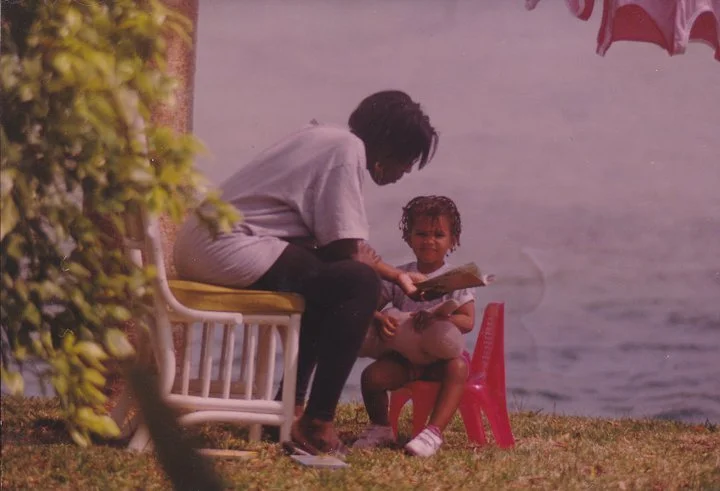
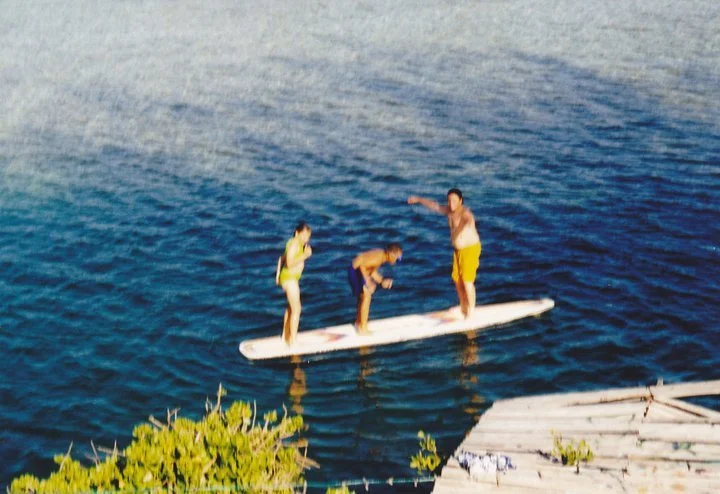
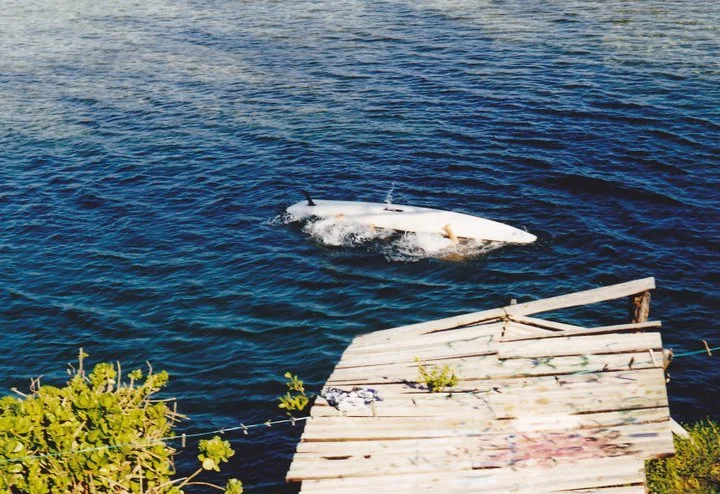
Now I must fight to protect my home.
Problem Turned Solution:
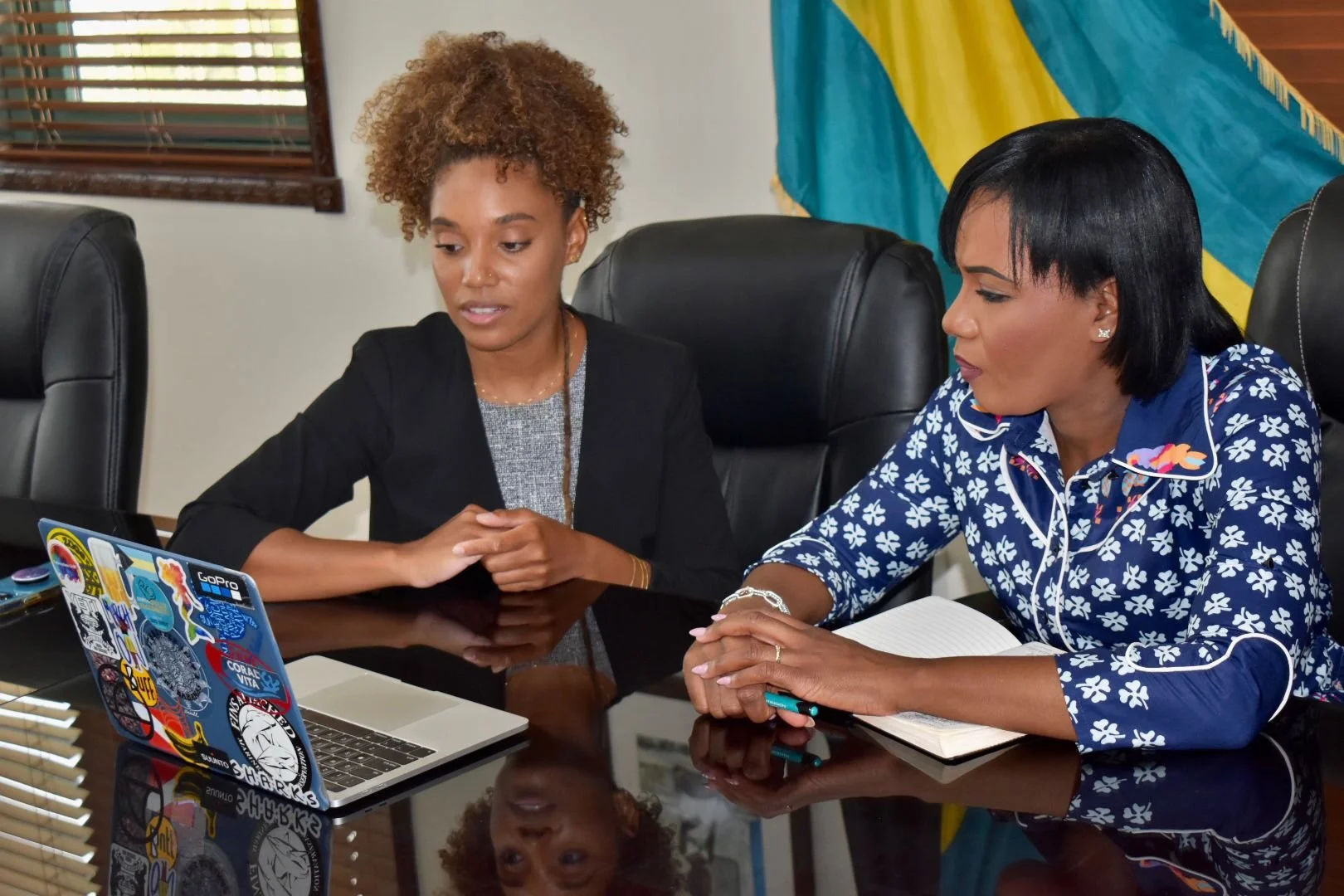
Several years ago, I approached the Ministry for Grand Bahama with an idea.
Rather than simply repairing my house, why not use it as a model for what climate-resilient, government-supported housing could look like in The Bahamas?
My community was already experiencing the kinds of flooding that climate projections suggested other parts of the island could face in the future.
The idea was well received. Designs and architectural renderings were developed, and the project was approved to move forward.
Unfortunately, funding priorities changed, and the project was ultimately dropped.
But I never stopped believing in the idea.
Because I don't just want to repair my house. I want to show what is possible.
Still Dreaming To Build:
I am hoping to raise $300,000 to transform what remains of my home into a safe, sustainable, and climate-resilient single-family house.
The work will happen in phases.
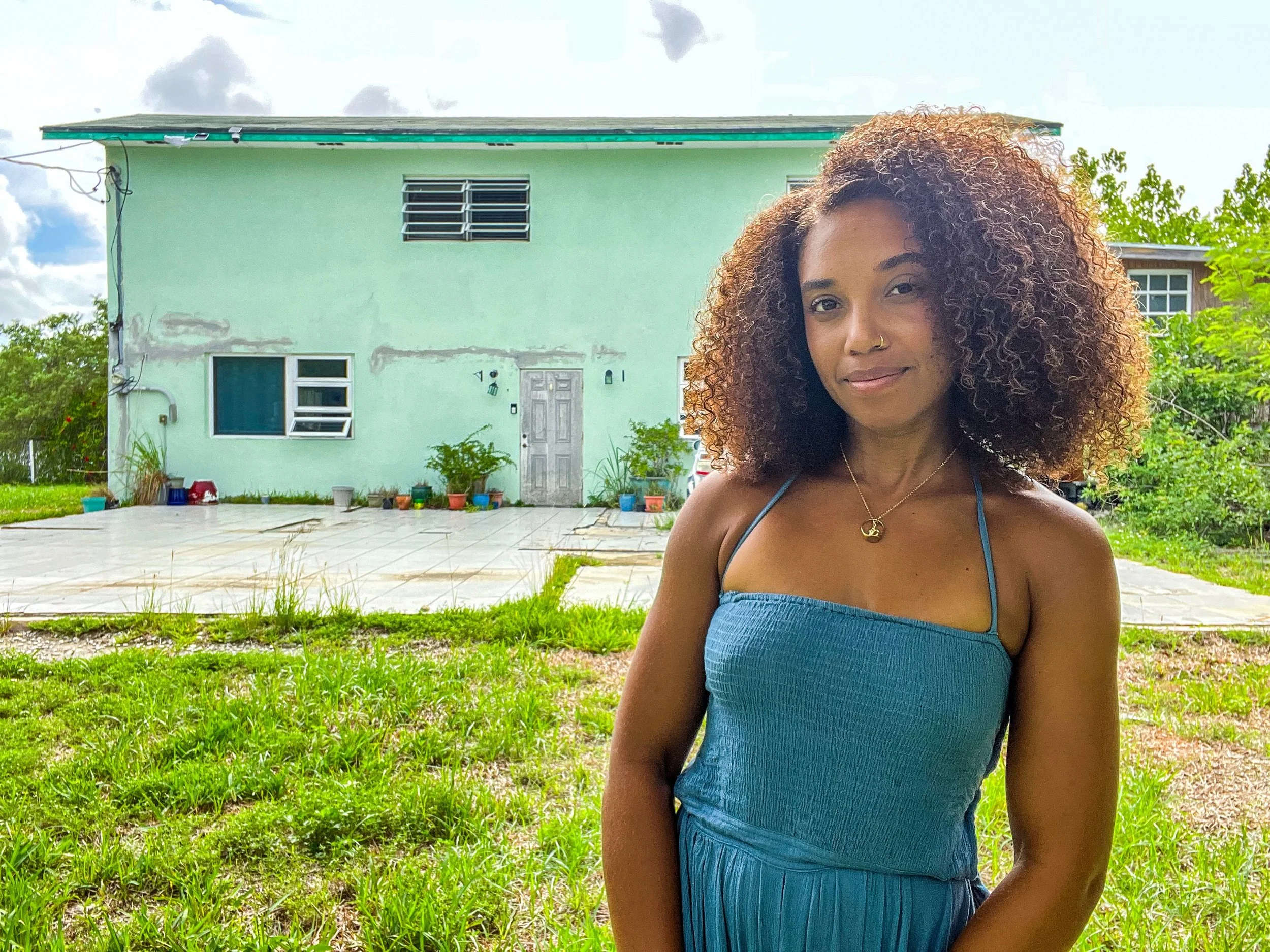
Phase One: Make the Existing Home Safe — $45,000
The immediate priority is protecting the part of the house that remains.
The upstairs currently consists primarily of a bedroom and bathroom. I want to transform it into a safe studio-style living space that can function as a refuge during severe flooding.
This will require structural assessment and reinforcement, particularly because the structure may have been exposed to floodwater during Dorian, as well as hurricane-impact windows and doors.
The goal is to move vulnerable appliances and essential systems, including my refrigerator, stove, microwave, water heater, and electrical equipment, above the level where floodwater can reach them.
Preliminary Estimated Cost
Structural assessment & reinforcement $7,000
Flooring replacement/repair $4,500
Hurricane-impact windows & exterior doors $8,000
Electrical system repairs/upgrades $4,000
Plumbing repairs/upgrades $3,000
Finish unfinished balcony into usable interior space $5,000
Bathroom fixtures & improvements $2,000
Kitchen/basic living fixtures & cabinetry $2,000
Ceiling, drywall/plaster & interior finishing $2,000
Painting & weatherproofing $1,500
Water heater / appliance relocation & protection $1,000
Permits, engineering & miscellaneous construction costs $1,500
Contingency for unforeseen damage/material costs. $2,500
PHASE 1 TOTAL: $45,000
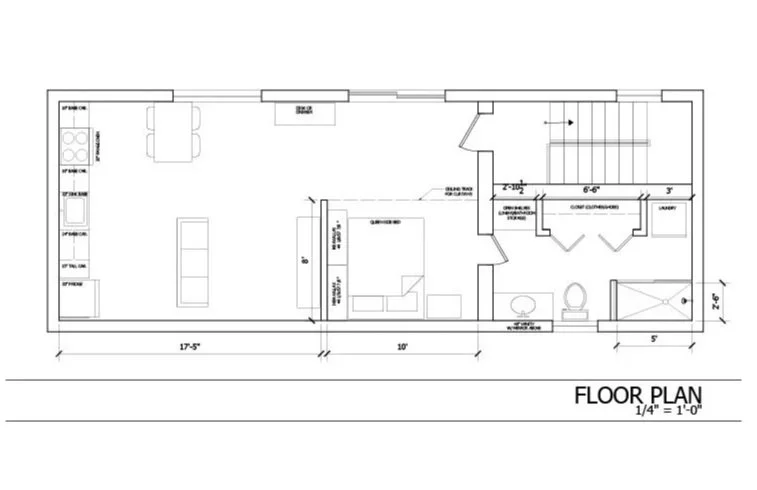
Upstairs Studio Floor Plan Idea - Heather Knowles
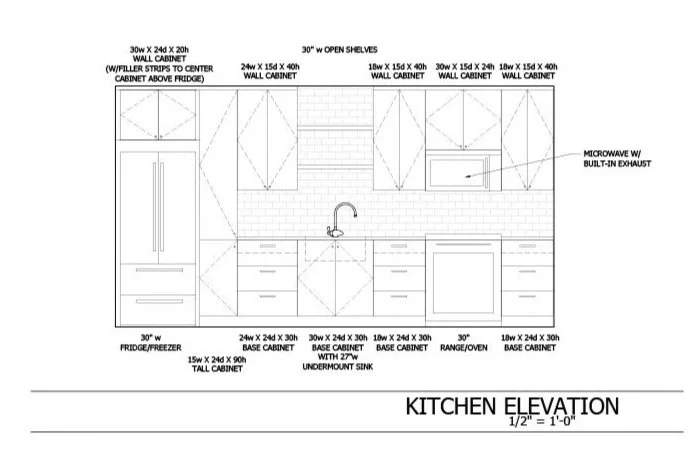
Kitchen Floor Plan Idea - Heather Knowles
For me, this would mean something incredibly simple but incredibly important:
Knowing that I have somewhere safe to go when the next hurricane comes.
Phase Two: Rebuild above the footprint of the original home - $180,000.
The original house is now gone. What remains is essentially a concrete platform where the structure once stood.
I would like to rebuild above that footprint using an elevated structure supported by stilts. This would allow me to create additional living space while reducing the risk posed by future flooding.
The completed home would include a bedroom, living space, hurricane-impact windows and doors, and other features designed specifically for the realities of living in a hurricane- and flood-prone environment.
Preliminary Estimated Cost
Architectural design, engineering & structural plans. $12,000
Building permits, surveys & professional fees $5,000
Site preparation & foundation/stilt system. $25,000
Structural framing & elevated floor system. $30,000
Hurricane-resistant roof system. $18,000
Hurricane-impact windows & exterior doors. $18,000
Exterior walls, insulation & weatherproofing. $15,000
Electrical system & lighting. $8,000
Plumbing & drainage. $7,000
Kitchen cabinetry, countertops & fixtures. $8,000
Bathroom construction & fixtures. $6,000
Interior flooring. $6,000
Drywall, ceilings & interior finishing. $7,000
Painting & exterior finishes. $5,000
Stairs, railings, balconies & exterior access $5,000
Construction contingency. $5,000
Phase 2 Total: $180,000
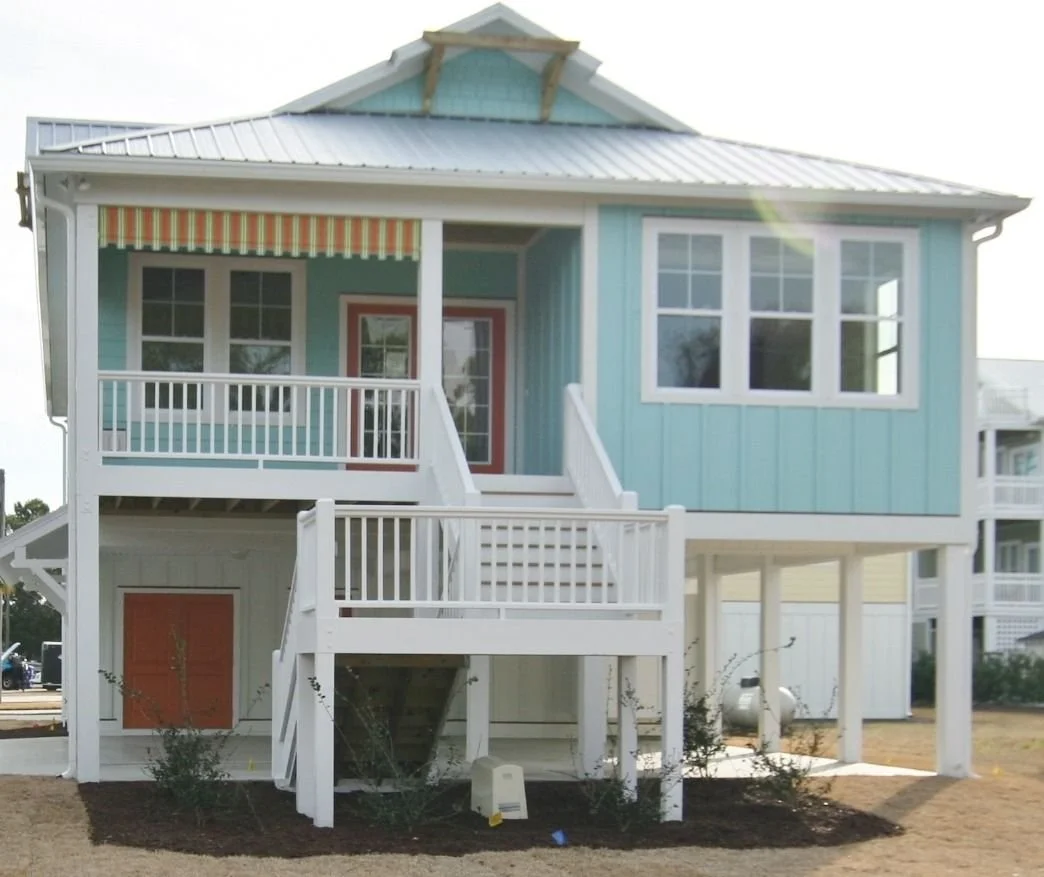
Phase 2 Exterior Inspiration
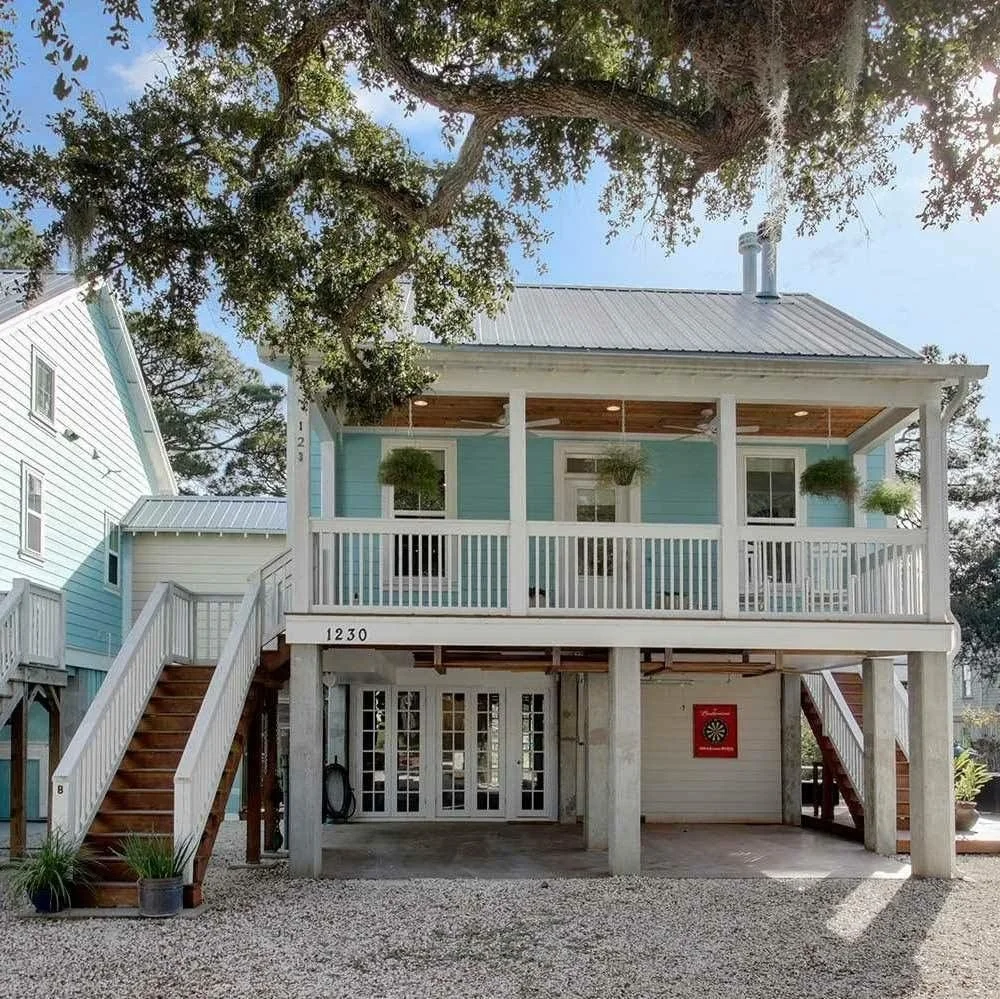
Phase 2 Exterior Inspiration
Phase Three: Make the home more self-sufficient - $75,000
After a major hurricane, three of the most basic things people need are: Dry shelter. Power. Water. I want my home to be designed around all three.
I hope to install a solar power system capable of keeping essential appliances running, including, at minimum, my refrigerator and water heater.
I also want to install a small, low-maintenance reverse-osmosis water system so that I can have a reliable source of clean drinking water without being entirely dependent on outside infrastructure.
Ultimately, my goal is to create a sustainable, hurricane-resistant, and climate-resilient home that demonstrates how existing homes in vulnerable Bahamian communities can be adapted for a changing climate.
Preliminary Estimated Cost
Solar panels & installation. $25,000
Battery storage system $15,000
Inverter, electrical integration & backup equipment. $7,000
Energy-efficient appliances / essential electrical upgrades. $4,000
Under-sink reverse-osmosis drinking water system $2,500
Rainwater catchment system & storage. $8,000
Water pumps, filtration & plumbing. $4,500
Stormwater drainage / flood mitigation improvements. $4,000
Hurricane preparedness & emergency backup equipment $2,000
Sustainability assessment & final resilience upgrades. $3,000
Phase 3 Total: $75,000
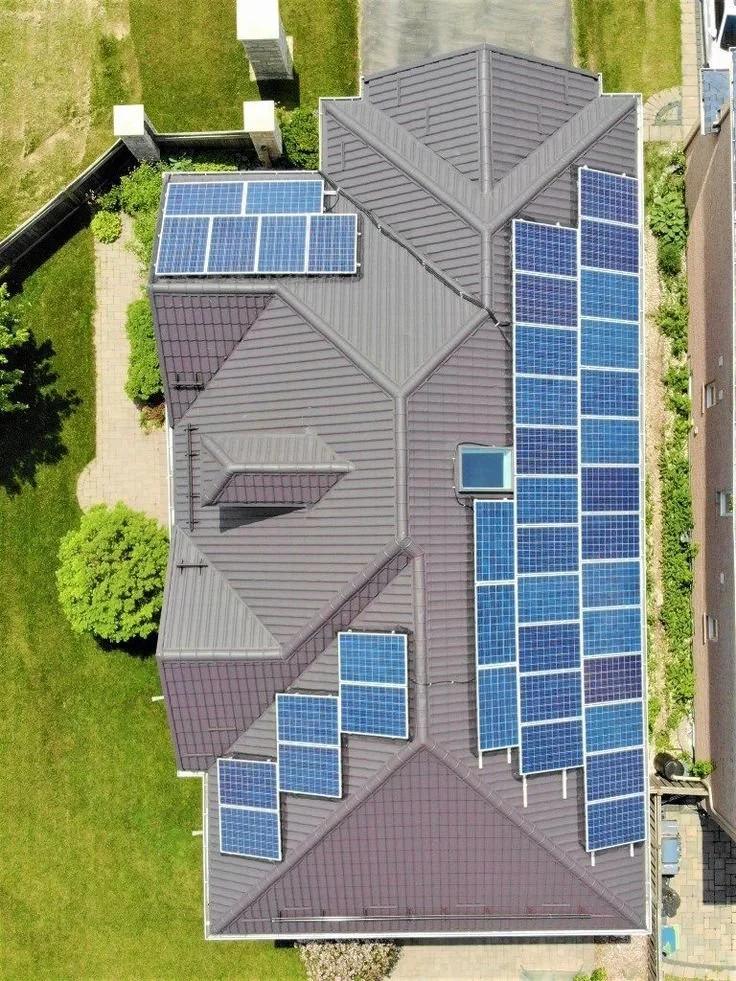
Solar Panel Inspiration
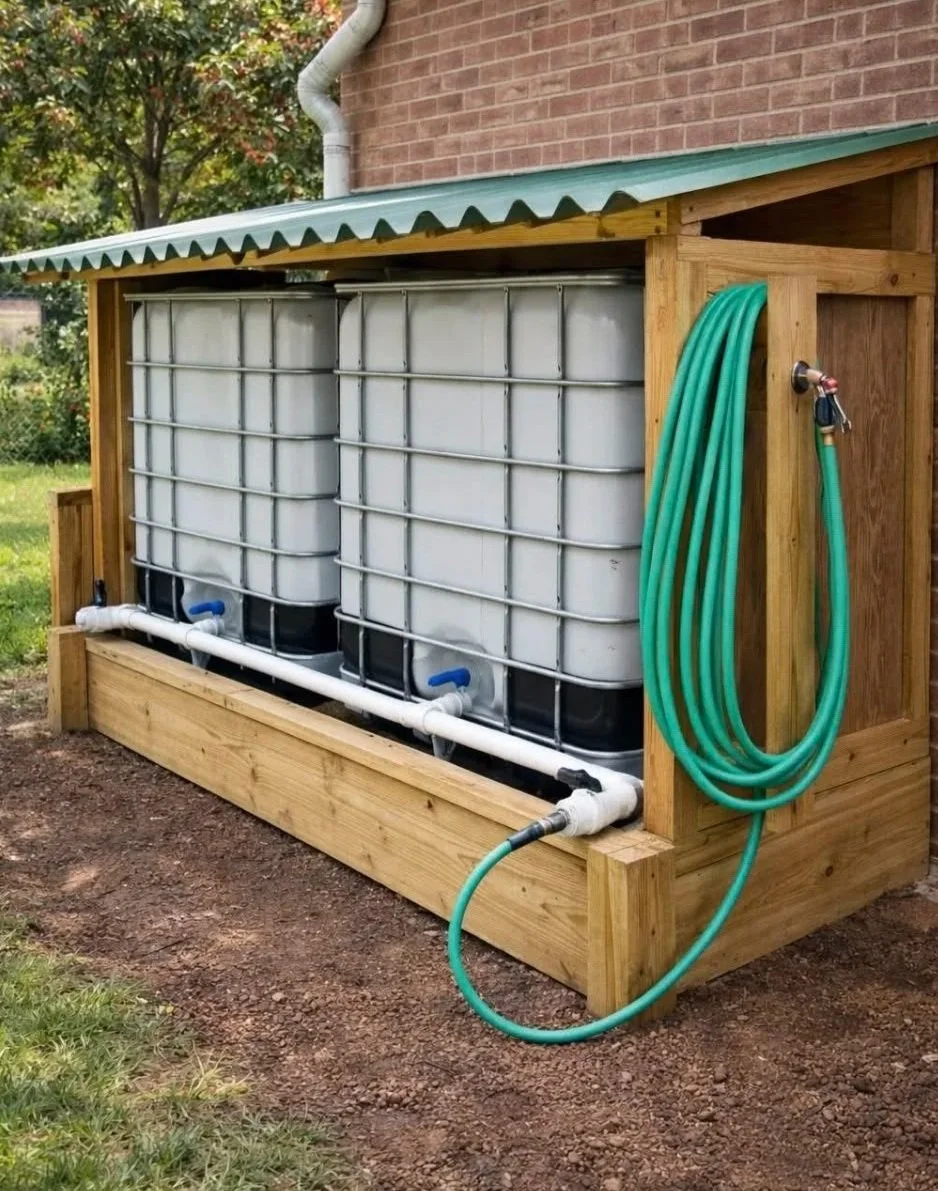
Water Catchment Inspiration
This Is Bigger Than One House
I know $300,000 is a significant goal. But I also know what it means to lose everything.
I know what it means to be nine years old and watch your home flood.
I know what it means to rebuild again and again and again.
I know what it means to spend a hurricane wondering whether you will have a home when it is over.
And I know what it means to watch an entire community struggle with the same problem.
For decades, we have been asking communities to rebuild after hurricanes without necessarily changing the way we build in the first place.
Let’s change that.
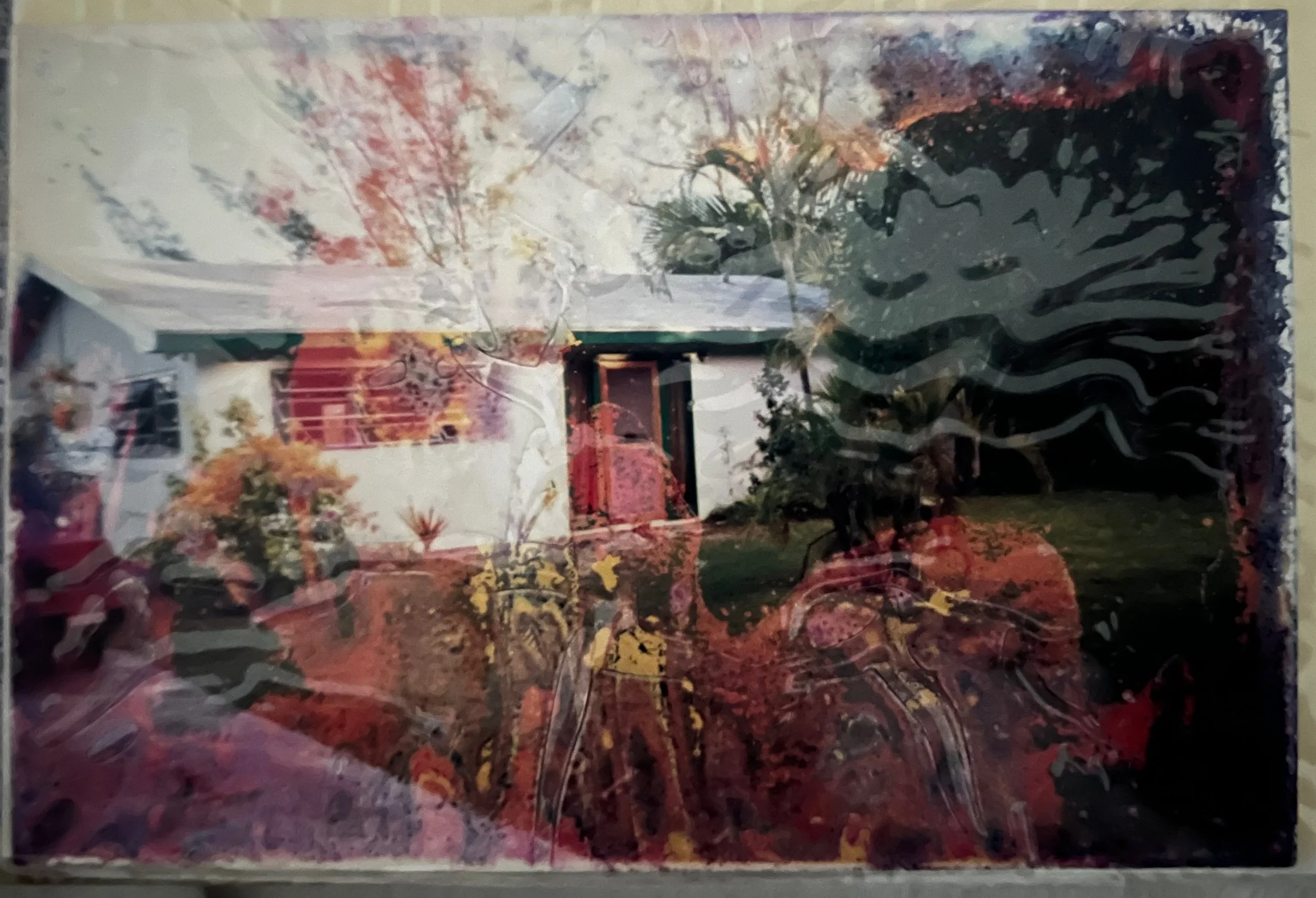
The only photo I have left of my original home. Hurricanes have taken most of my childhood photos from me, both print and digital.
I want to take my home that has been repeatedly damaged and turn it into a living example of what climate resilience can look like in The Bahamas.
A home that can withstand flooding.
A home with renewable energy.
A home with its own water purification system.
A home that uses what I have learned from my life and career in the ocean to adapt to the environment around it.
And hopefully, a home that can help demonstrate what might be possible for other Bahamian families facing the same reality.
If You Can Help…
My ultimate goal is to raise $300,000, but I know that not everyone can contribute funds. References to the following would also be incredibly helpful:
Architect
Structural engineer
Civil engineer
Electrical engineer
Plumbing/mechanical engineer
Coastal or flood-resilience specialist
Hurricane-resistant building specialist
Building inspector
Quantity surveyor / construction estimator
Surveyor
Project manager
Permitting and building-code professionals
If you cannot donate, sharing this fundraiser is just as meaningful.
I have spent much of my life telling stories about the ocean and advocating for the places and communities that depend on it.
This time, I am asking you to help me tell my own story.
Help me turn a house that has been repeatedly taken from my family by hurricanes and flooding into something that can stand as a symbol of resilience.
Help me build a home where I can finally feel safe when hurricane season comes.
And help me show that rebuilding after climate change does not have to mean simply rebuilding what was there before.
We can build differently.
We can build smarter.
We can build for the future.
Thank you for reading my story, for sharing it, and for helping me bring this home back to life.
WATCH MY STORYHow To Change The World: Ep 1
Coral Vita was founded by college friends Sam Teicher and Gator Halpern, who saw firsthand how the extinction of coral reefs affects communities around the world.
Months after setting up their coral restoration farm on Grand Bahama, Hurricane Dorian leveled the community. Instead of walking away, Sam and Gator doubled down, not only on Coral Vita, but on the people of Grand Bahama. With Alannah Vellacott and Shay Williams, natives of the island both deeply impacted by the hurricane, we see a community come together to rebuild Coral Vita while helping one another recover from the devastation of Dorian.
I’d Love To Connect
If my story has moved or inspired you and you’d like to be part of the journey, I would love to hear from you!
Whether you’re interested in collaborating, donating materials or equipment, offering your time or professional services, helping connect me with someone who can, or simply sending a word of encouragement, every form of support means something. Please reach out. I’d be so grateful to hear from you and explore how we might work together to make this vision a reality.